
Obsessive-Compulsive Disorder (OCD)

Obsessive-Compulsive Disorder (OCD)

At DSC, OCD is never diagnosed simply from recurring, distressing thoughts or repetitive behavior. According to DSM-5-TR, ICD-11/CDDR, and NICE guidelines, we distinguish between obsessions and compulsions and assess the individual's level of insight into the disorder.

We differentiate OCD from generalized anxiety disorder, obsessive-compulsive personality disorder, autism spectrum conditions, body dysmorphic disorder, hoarding disorder, and psychosis-related obsessional thinking.

We also identify the real impact of obsessions and compulsions on daily functioning, relationships, and the time consumed by rituals.

From this differential diagnostic profile, we build a plan grounded in the strongest scientific evidence: exposure and response prevention as a first-line treatment, supported by cognitive behavioral therapy, and selective serotonin reuptake inhibitor medication when clinically indicated and prescribed at doses calibrated for OCD. Family training focuses on reducing reassurance-seeking and participation in rituals. Progress is measured through reduced ritual time and a confident return to daily life.

DSC User Journey

From the First Question to Continuous Growth

Entry Gateway: Choose the domain (Special Needs | Mental Health | Education | Innovation | Institutional) → then choose the case/service → Guided consultation → pathway recommendation

Special Needs • Mental Health • Education • Innovation • Institutional

A collaborative workplace mental health session.
01
Triage & Consultation
Understanding the problem, priority, risks, and best-fit serviceOutput: Track recommendation

Child engaged in a structured attention activity.
02
Multidimensional Assessment
Comprehensive measurement of strengths, needs, and contributing factorsOutput: Diagnostic file

Student receiving individualized learning support.
03
Report & Plan
Case formulation + measurable goals + prioritiesOutput: Individual plan

Speech and language development activity.
04
Intervention & Treatment
Therapeutic, rehabilitative, educational, and family sessions and programsOutput: Intervention program
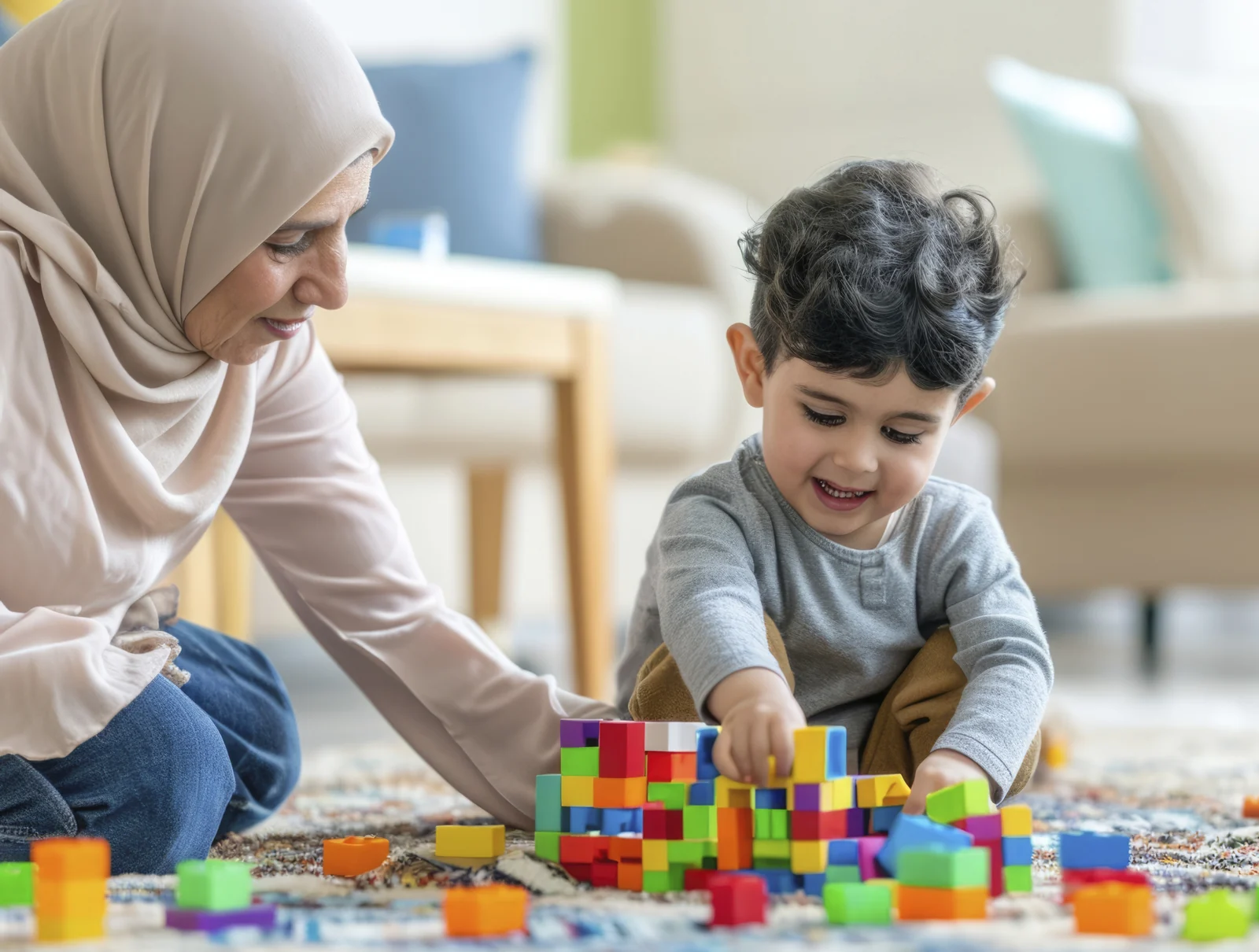
Child taking part in a supported learning activity.
05
Outcome Measurement
Reassessment, progress indicators, plan adjustment or escalationOutput: Progress report
Learners developing ideas through a creative activity.
06
Continuous Development
Independence, learning, communication, performance, talent, quality of lifeOutput: Growth plan ∞

Suggested Packages

Diagnostic Clarity Package
Consultation + multidimensional assessment + report and planFor those who want to understand the case and make an informed decision
Focused Intervention Package
Plan + a set number of sessions + family trainingTo achieve specific therapeutic/educational goals
Integrated Care Package
Diagnosis + plan + intervention + follow-up and outcome measurementThe highest-value track for complex cases
Continuous Growth Membership
Periodic follow-up + growth goals + ongoing skills trainingAfter stabilization: long-term growth

Start with understanding.

Choose a service, practitioner, date, and time in a few clear steps. No payment is required to request or reserve an appointment.